Via Ferrata – Techniques, History, Gear & Where to Practice
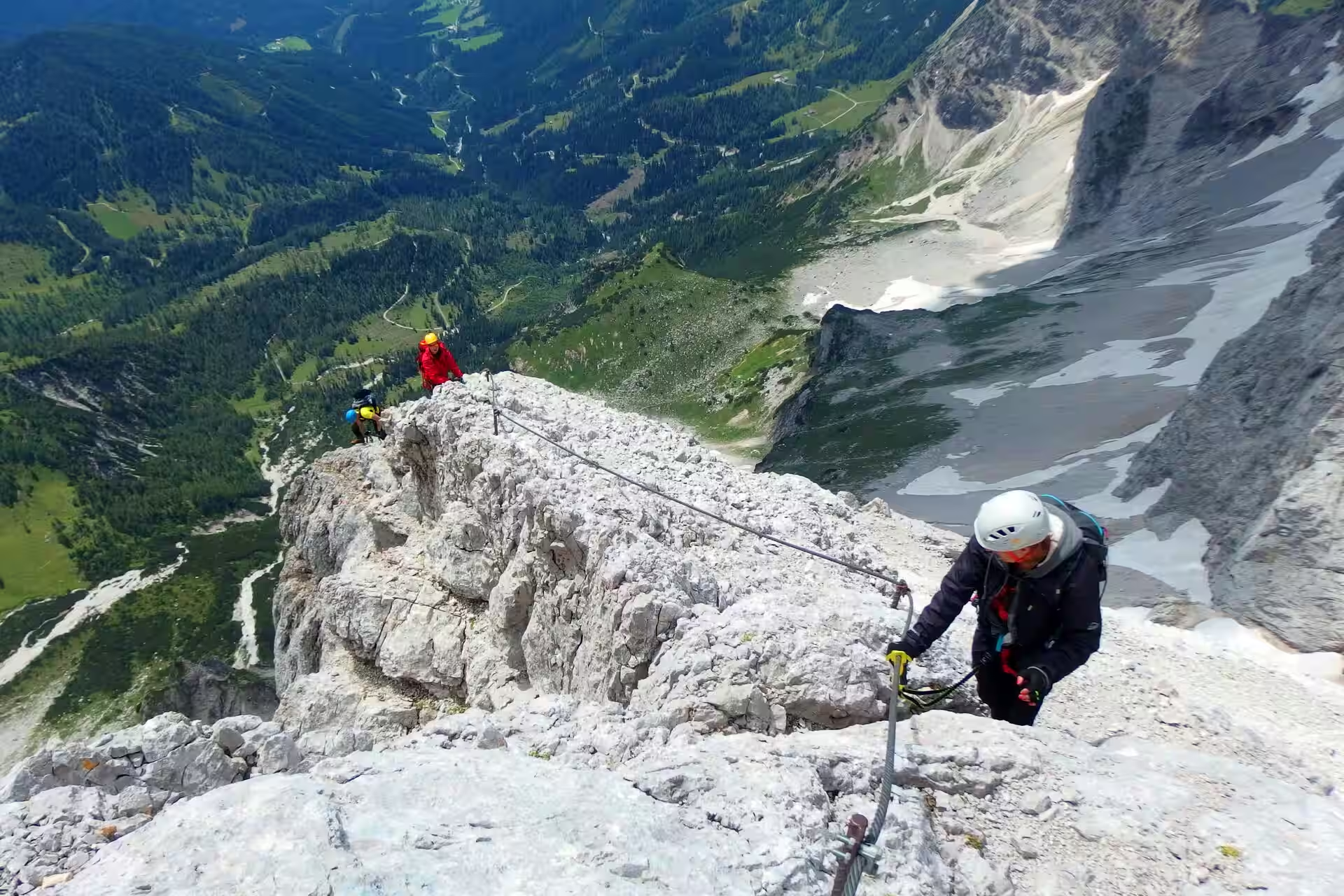
Via Ferrata, meaning “iron path” in Italian, blends the thrill of rock climbing with the accessibility of hiking. This unique alpine activity uses a fixed system of cables, ladders, and bridges bolted into rock faces, allowing both seasoned climbers and beginners to traverse otherwise unreachable vertical routes safely. Whether you’re seeking breathtaking mountain views, adrenaline-fueled climbs, or a fun challenge for the family, Via Ferrata offers it all. In this guide, you’ll discover everything you need to know: from its rich history and essential gear to top destinations across the Alps and key skills to develop. Let Crion connect you with certified local guides, curated experiences, and trusted equipment—so your next vertical journey is not only epic, but also safe and unforgettable.
Via Ferrata Tours for You
What is Via Ferrata?
Via Ferrata, which translates to "iron path" in Italian, is an exhilarating blend of hiking and climbing along protected routes equipped with steel cables, ladders, and fixed anchors. These routes allow adventurers to explore dramatic mountain landscapes with a unique sense of exposure and safety. Unlike traditional climbing, Via Ferrata doesn’t require advanced rope techniques, making it accessible to both beginners and experienced mountaineers. The key difference lies in the safety system—participants wear a harness with a special lanyard that attaches to the steel cable, ensuring security even on steep vertical faces. With a minimal learning curve and stunning alpine settings, Via Ferrata is a perfect entry point into the world of vertical adventures.
A Brief History of Via Ferrata
The origins of Via Ferrata date back to World War I in the Italian Dolomites, where soldiers built iron paths to traverse rugged terrain quickly and safely. These early installations allowed troops to move along cliff faces and gain strategic advantages in mountainous combat zones. After the war, many of these paths were preserved and eventually adapted for recreational use. Over the decades, the concept spread across Europe and beyond, evolving into a popular sport with graded routes and standardized safety gear. Today, Via Ferrata routes can be found across the Alps, in countries like France, Switzerland, Austria, and beyond—inviting thrill-seekers to experience the mountains like never before.
Best Places for Via Ferrata
Techniques & Skills in Via Ferrata
Mastering Via Ferrata begins with understanding the gear and movement on vertical or semi-vertical terrain. Beginners should start with basic balance techniques, using the steel cable as a support rather than a crutch. Efficient footwork and weight distribution are key to conserving energy. As your confidence grows, advanced skills include managing exposure, maintaining steady pacing, and climbing in rhythm with your group. Safety is paramount, so learning how to use the lanyard, carabiners, and helmet correctly is essential. Avoid common mistakes like resting on the cable with slack, which increases fall potential. Training courses and local guides help you advance quickly and safely through increasingly difficult routes.
Why Hire a Guide or Instructor for Via Ferrata?
Hiring a certified Via Ferrata guide provides unmatched safety and expertise. Professionals help assess your skill level and recommend suitable routes, ensuring you're neither overwhelmed nor under-challenged. Guides bring in-depth knowledge of weather conditions, local terrain, and route-specific nuances. They also handle logistics, gear setup, and emergency protocols, giving you peace of mind. For beginners, a guide’s mentorship accelerates your skill progression. For seasoned climbers, it opens access to lesser-known, remote routes. Certified guides hold qualifications from UIAGM/IFMGA or national mountain guiding associations and ensure your experience is both thrilling and safe from start to finish.
Essential Gear & Equipment for Via Ferrata
To begin your Via Ferrata journey, you'll need a harness, helmet, and a certified Via Ferrata lanyard set with energy absorbers. These items form the basic safety triangle and are non-negotiable for any route. For comfort and control, grippy approach shoes with stiff soles are recommended. As you progress, consider upgrading to lightweight climbing gloves, moisture-wicking layers, and a well-fitting backpack with hydration capabilities. While beginners can rent gear from guides or local shops, seasoned enthusiasts may want to invest in premium equipment from trusted brands like Petzl, Black Diamond, or Edelrid. Always inspect your gear before every trip, and follow manufacturer maintenance guidelines to ensure long-term reliability.
Read more from Crion Stories about Via Ferrata
Browse all activities
Ready to explore? Choose an activity and book your next outdoor adventure with local experts!
Explore Activities