Rock Climbing – Techniques, History, Gear & Where to Practice
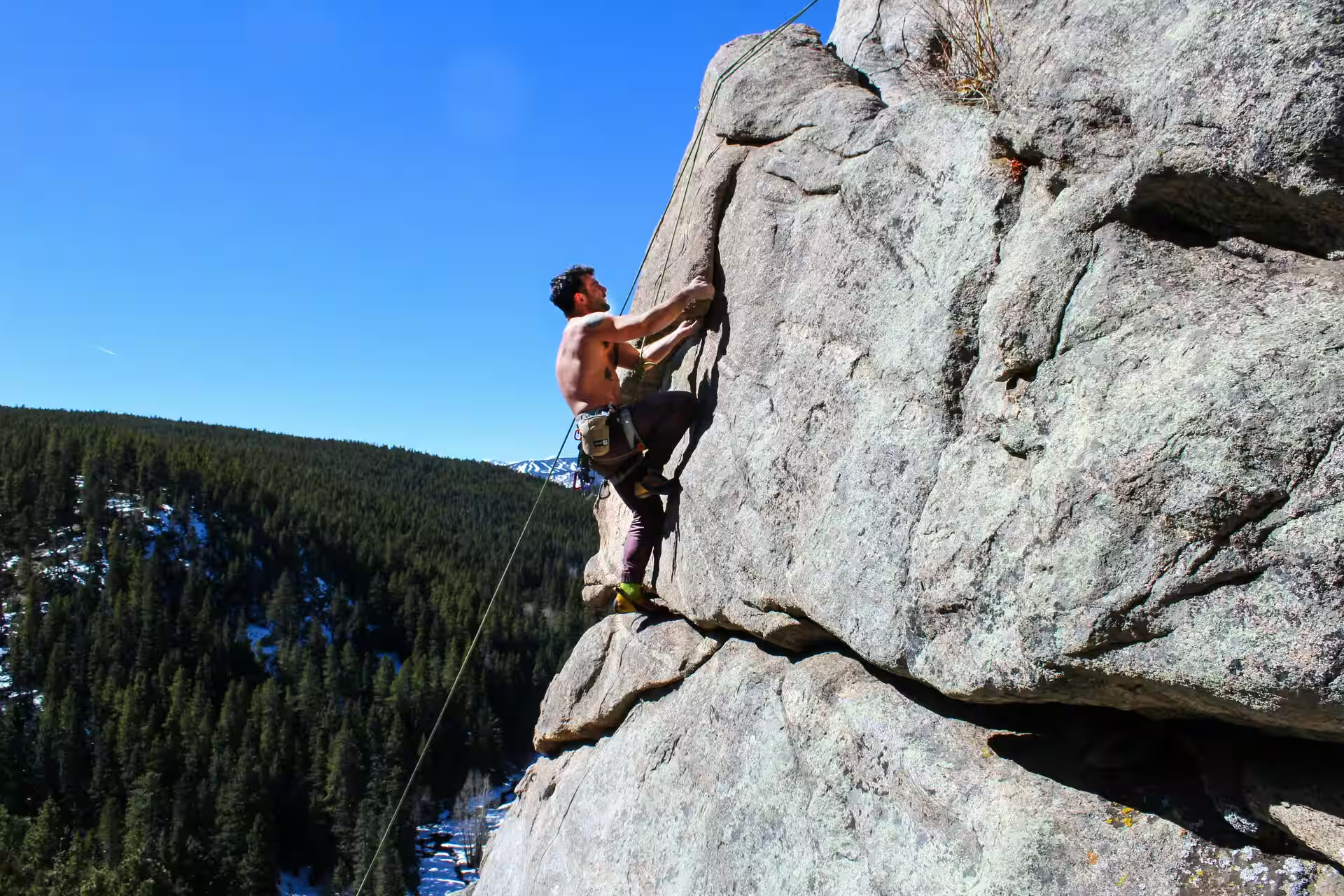
Rock climbing is more than just a sport; it's a test of your physical limits, mental strength, and connection with nature. From natural cliffs to indoor climbing walls, rock climbing offers a diverse and adrenaline-fueled way to explore the vertical world. It requires a blend of strength, strategy, and balance. Whether you're scrambling up a boulder, ascending a multi-pitch face, or scaling artificial routes, the experience is equally thrilling. It's not only a great workout but also a lifestyle embraced by outdoor enthusiasts and athletes worldwide. Unique in its range of sub-disciplines, such as bouldering, sport climbing, and traditional climbing, it offers paths for all skill levels. Rock climbing is accessible to beginners with proper instruction and offers lifelong challenges for experts.
Rock Climbing Tours for You
What is Rock Climbing?
Rock climbing is a vertical adventure sport that involves ascending natural rock formations or artificial rock walls using hands, feet, ropes, and specialized gear. The goal is to reach the summit or a designated endpoint without falling, either with safety systems in place or solo. Unlike hiking or mountaineering, climbing emphasizes vertical movement and technical precision. What makes it unique is its incredible variety—from short, explosive bouldering problems to long, endurance-heavy multi-pitch climbs. Rock climbing welcomes people of all backgrounds. Beginners can start with indoor gyms or outdoor sport routes, while seasoned climbers challenge themselves on big walls and alpine routes.
A Brief History of Rock Climbing
Rock climbing has roots in mountaineering and alpine exploration. In the late 19th century, European climbers in the Alps began scaling steep rock faces as part of larger mountain ascents. Early pioneers like Walter Parry Haskett Smith in the UK and Paul Preuss in Austria set the groundwork for climbing as a distinct pursuit. As techniques and equipment improved through the 20th century, rock climbing evolved into a standalone sport. The 1950s saw the birth of big wall climbing in Yosemite, while the 1980s brought about sport climbing and indoor gyms. Today, climbing is both a recreational activity and an Olympic sport, celebrated for its athleticism and spirit of adventure.
Best Places for Rock Climbing
Techniques & Skills in Rock Climbing
Mastering rock climbing means developing a solid foundation of techniques and safety habits. Beginners start with basic footwork, handholds, and body positioning. Climbing efficiently is about using balance and momentum, not brute strength. Avoiding common mistakes, like overgripping or poor foot placement, helps you conserve energy and reduce injury. As you progress, you'll learn advanced techniques like heel hooks, crack climbing, and dynamic moves. Safety is paramount—climbers must understand belaying, knot tying, fall dynamics, and communication protocols. Risk management training, such as how to assess weather and route conditions, is vital. Crion also connects you with certified instructors to help you level up with confidence.
Why Hire a Guide or Instructor for Rock Climbing?
Hiring a certified climbing guide is one of the best decisions you can make, whether you're new to climbing or aiming for complex routes. Guides bring local knowledge, ensure safety, and tailor the experience to your ability. They can teach essential techniques, provide high-quality gear, and manage logistics so you can focus on the climb. Their familiarity with the terrain often grants access to exclusive climbing spots or hidden gems. For families, beginners, or solo travelers, a guide adds structure and confidence. Professional certifications (like IFMGA or UIAGM) guarantee global standards of training and experience. With a guide by your side, you climb smarter, safer, and with peace of mind.
Essential Gear & Equipment for Rock Climbing
Your rock climbing gear depends on your style of climbing. For beginners, essentials include a harness, helmet, climbing shoes, chalk bag, and a belay device. Budget options are available without compromising safety, but premium gear often offers greater comfort and longevity. Sport climbers need quickdraws and a rope, while trad climbers require cams, nuts, and a climbing rack. Advanced gear includes high-tech ropes, lightweight helmets, and breathable performance wear. Innovations like sticky rubber shoes and auto-locking belay devices have improved safety and efficiency. Trusted brands include Petzl, Black Diamond, La Sportiva, and Mammut. Always inspect and maintain your gear—clean ropes, replace worn carabiners, and store items in dry, safe places.
Read more from Crion Stories about Rock Climbing
Browse all activities
Ready to explore? Choose an activity and book your next outdoor adventure with local experts!
Explore Activities