Rafting – Techniques, History, Gear & Where to Practice
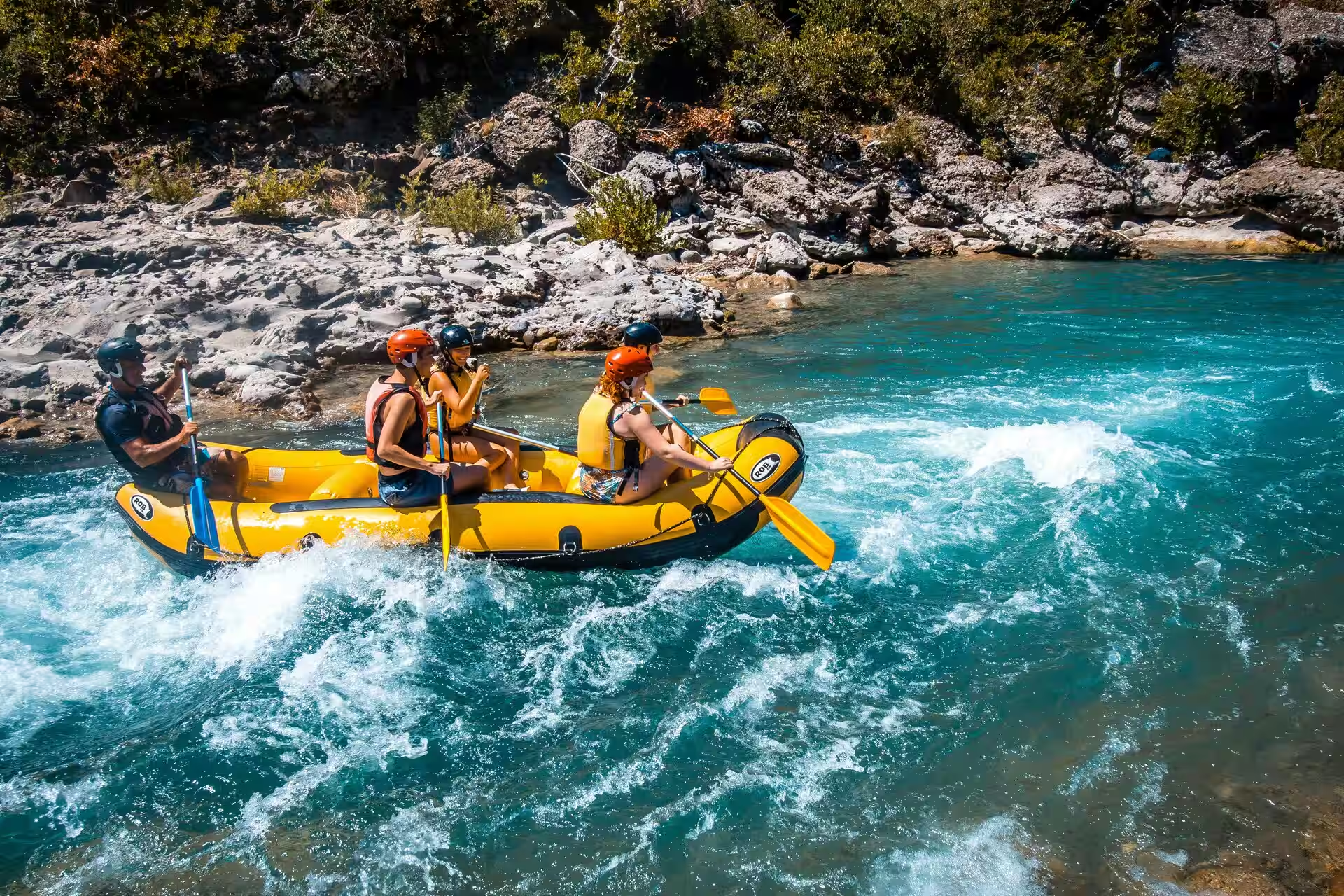
Rafting is an adrenaline-fueled water sport where teams navigate rivers and rapids in inflatable rafts. It blends teamwork, adventure, and nature into an unforgettable outdoor experience. Whether you're paddling through calm stretches or crashing through whitewater waves, rafting promises both thrills and scenic beauty. This activity is suitable for beginners and seasoned adventurers alike, with varying levels of difficulty across different rivers. From the wild Alpine streams to gentler river routes, rafting is accessible and exciting for all. With the right gear, a skilled guide, and an adventurous spirit, rafting becomes more than a sport — it’s a powerful way to connect with nature and challenge yourself. Crion helps you discover the best rafting spots, essential skills, equipment insights, and certified guides to make your next adventure unforgettable. Ready to dive into the world of rafting? Let’s paddle forward!
Rafting Tours for You
What is Rafting?
Rafting is an exhilarating outdoor water sport that involves navigating a river or other bodies of water in an inflatable raft. It blends adventure, teamwork, and nature into one unforgettable experience. What sets rafting apart from similar sports like kayaking or canoeing is the shared team effort required to maneuver through varying levels of rapids, using paddles and quick communication. Rafting is accessible to everyone—from first-timers seeking fun on gentle rivers to thrill-seekers tackling Class V rapids. Its adrenaline-pumping nature and immersive connection to natural landscapes make rafting a must-try for outdoor enthusiasts of all skill levels.
A Brief History of Rafting
Rafting traces its roots to ancient civilizations that used makeshift rafts for transportation and exploration. However, as a recreational sport, it began gaining popularity in the mid-20th century, particularly in the United States. The first commercial rafting trips took place on Colorado's rivers during the 1940s. Since then, rafting has evolved into a global sport with structured safety protocols, organized competitions, and widespread eco-tourism appeal. Today, major rafting hubs like the Zambezi, Ganges, and Futaleufú rivers offer thrilling experiences while contributing to local economies and conservation efforts.
Best Places for Rafting
Techniques & Skills in Rafting
Rafting techniques range from basic paddle strokes to advanced maneuvers that ensure safe passage through turbulent water. Beginners learn key commands like "forward paddle," "back paddle," and "hold on," along with how to maintain balance in the raft. Mistakes such as improper grip or failing to listen to the guide are common but easily corrected. As rafters progress, they master techniques like ferrying, eddy turns, and reading the river. Safety is paramount—recognizing hazards like strainers, hydraulics, or undercuts is essential. Certified training in swiftwater rescue and river navigation can greatly enhance one’s skills and confidence.
Why Hire a Guide or Instructor for Rafting?
Hiring a professional rafting guide adds immense value to your experience. Guides are trained in safety procedures, river reading, and first aid, ensuring your trip is both fun and secure. They accelerate your learning curve with real-time instruction and feedback. With their local knowledge, guides lead you to hidden gems, less-traveled routes, and points of interest you might otherwise miss. They also handle gear logistics, provide high-quality equipment, and often carry emergency supplies. Whether you're new or experienced, a guide boosts your confidence, enriches your journey, and keeps you safe in unpredictable water conditions.
Essential Gear & Equipment for Rafting
Starting out in rafting doesn’t require an extensive kit, but some basics are non-negotiable. A personal flotation device (PFD), helmet, paddle, and proper footwear are must-haves. Wetsuits or drysuits may be necessary depending on water temperature. Budget options are available for casual enthusiasts, while advanced rafters often invest in higher-end gear for durability and performance. Specialty items like throw bags, dry bags, and neoprene gloves come into play on more challenging expeditions. Trusted brands include NRS, Astral, and Kokatat. Regular maintenance of your gear—rinsing, drying, and checking for wear—ensures long-lasting safety and performance.
Read more from Crion Stories about Rafting
Browse all activities
Ready to explore? Choose an activity and book your next outdoor adventure with local experts!
Explore Activities