Paragliding – Techniques, History, Gear & Where to Practice
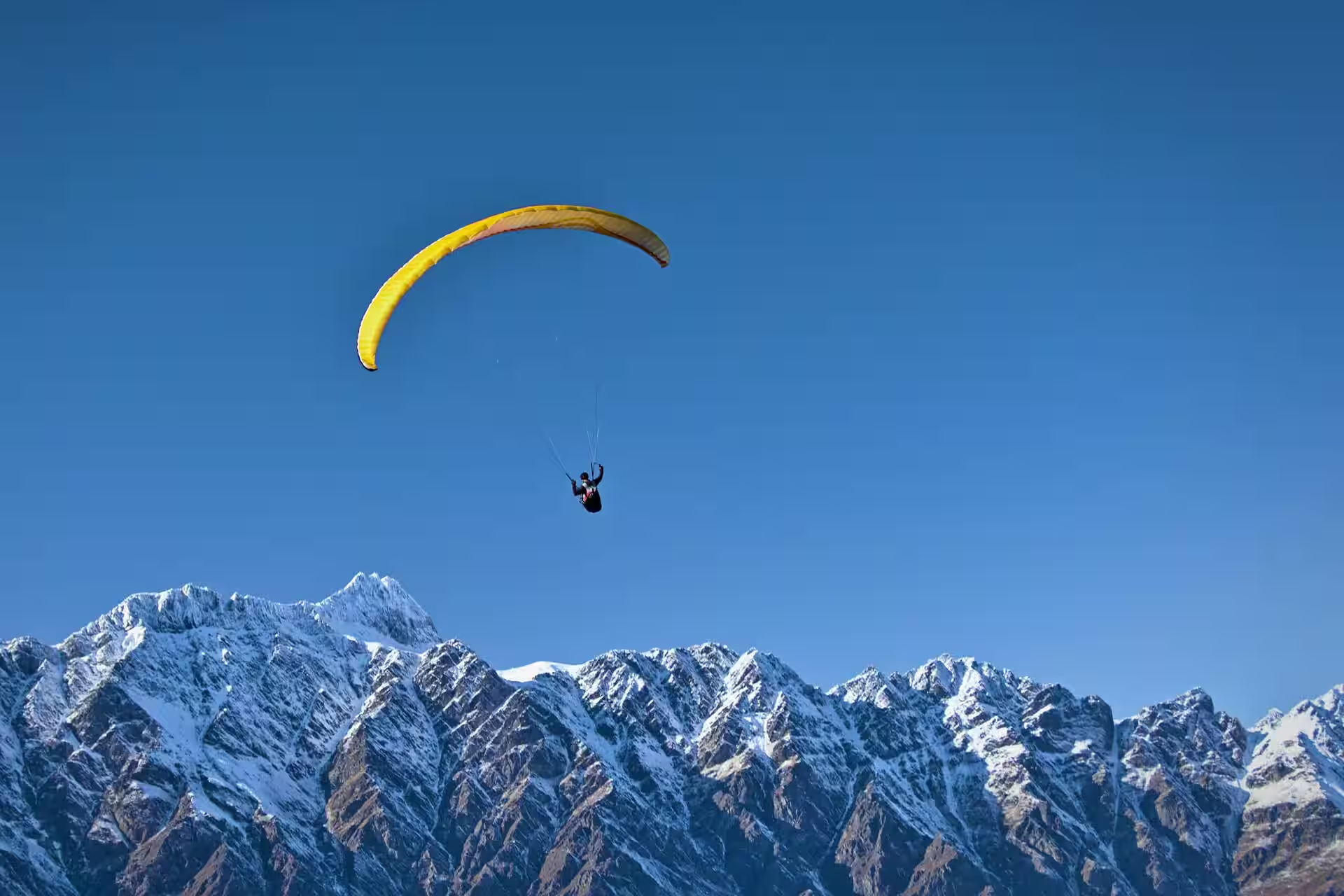
Paragliding is the ultimate experience for those who dream of flight. It’s a serene yet thrilling adventure sport where you glide through the sky using a lightweight wing, launched by running off hills or mountains. With no engine involved, you rely on natural wind currents and thermals to stay aloft, often soaring for hours over breathtaking landscapes. Whether you’re looking for tandem flights, solo adventures, or certified training programs, paragliding offers something for everyone—from the curious beginner to the seasoned sky explorer. This guide explores the heart of paragliding: how it works, where it came from, the gear you’ll need, and where in the world you can practice it safely and spectacularly.
Paragliding Tours for You
What is Paragliding?
Paragliding is a thrilling airborne sport that allows you to glide freely through the sky using a lightweight, foot-launched wing. Unlike skydiving, which involves jumping from a plane, paragliders take off from hills or mountains and use wind currents to soar. It's a unique blend of freedom, control, and nature that gives pilots the sensation of flying like a bird. What sets paragliding apart from similar aerial sports is its simplicity and portability—you can pack the entire setup into a backpack. It’s accessible to both beginners and seasoned adventurers, thanks to different types of wings, tandem flight options, and progressive training programs. Whether you’re chasing thermals or gliding across alpine valleys, paragliding promises a heart-pounding yet peaceful experience in some of the world’s most beautiful settings.
A Brief History of Paragliding
The story of paragliding began in the 1960s and '70s when mountaineers sought easier ways to descend peaks. The first true paragliding flights took place in France in the late 1970s using modified parachutes. These early adopters, including pioneers like Jean-Claude Bétemps and André Bohn, helped evolve the design into something specifically built for soaring. Over the decades, improvements in fabric, aerodynamics, and safety transformed paragliding into a respected sport. By the 1990s, international competitions emerged, and today paragliding has a massive global community. From recreational flyers to cross-country champions, the sport has developed with well-established training schools, certified instructors, and a growing number of tourism hotspots embracing it.
Best Places for Paragliding
Techniques & Skills in Paragliding
Mastering paragliding is about understanding wind, balance, and wing control. Beginners start by learning ground-handling basics: inflating the wing, controlling it in wind, and practicing safe takeoffs and landings. Mistakes like improper brake use or rushed launches are common early on. Intermediate pilots develop thermal soaring techniques and maneuvering skills. Advanced flyers refine efficiency, perform ridge soaring, and explore cross-country strategies. Safety is foundational across all levels—pilots are trained in emergency procedures, weather assessment, and equipment inspection. Training with a certified instructor ensures you progress safely and confidently, reducing risk and improving your overall experience.
Why Hire a Guide or Instructor for Paragliding?
Hiring a professional guide or instructor is the best way to start paragliding safely and efficiently. Certified instructors provide structured learning, from ground handling to first solo flights. They help you progress faster, avoid costly mistakes, and gain confidence. Guides also offer insights into local flying conditions and exclusive takeoff spots often unknown to tourists. For advanced pilots, guides handle logistics, recommend ideal routes, and assist with gear checks. Having a guide by your side also means you benefit from top-tier equipment, expert navigation, and a built-in support system—especially valuable when flying in unfamiliar regions or tackling new challenges.
Essential Gear & Equipment for Paragliding
Getting started with paragliding requires specific equipment focused on safety, comfort, and control. Beginners need a paraglider wing, harness, helmet, and reserve parachute. Entry-level wings are more stable and forgiving, while high-end models cater to performance and precision. Harnesses offer back protection and comfort during long flights. Helmets (often certified for aviation or skiing) are crucial, as is a well-maintained reserve parachute. As you advance, you might invest in GPS variometers, radios, and flight suits. Leading brands include Ozone, Gin, and Advance. Always inspect your gear and follow maintenance protocols like line checks, UV protection, and proper storage.
Read more from Crion Stories about Paragliding
Browse all activities
Ready to explore? Choose an activity and book your next outdoor adventure with local experts!
Explore Activities