Horse Riding – Techniques, History, Gear & Where to Practice
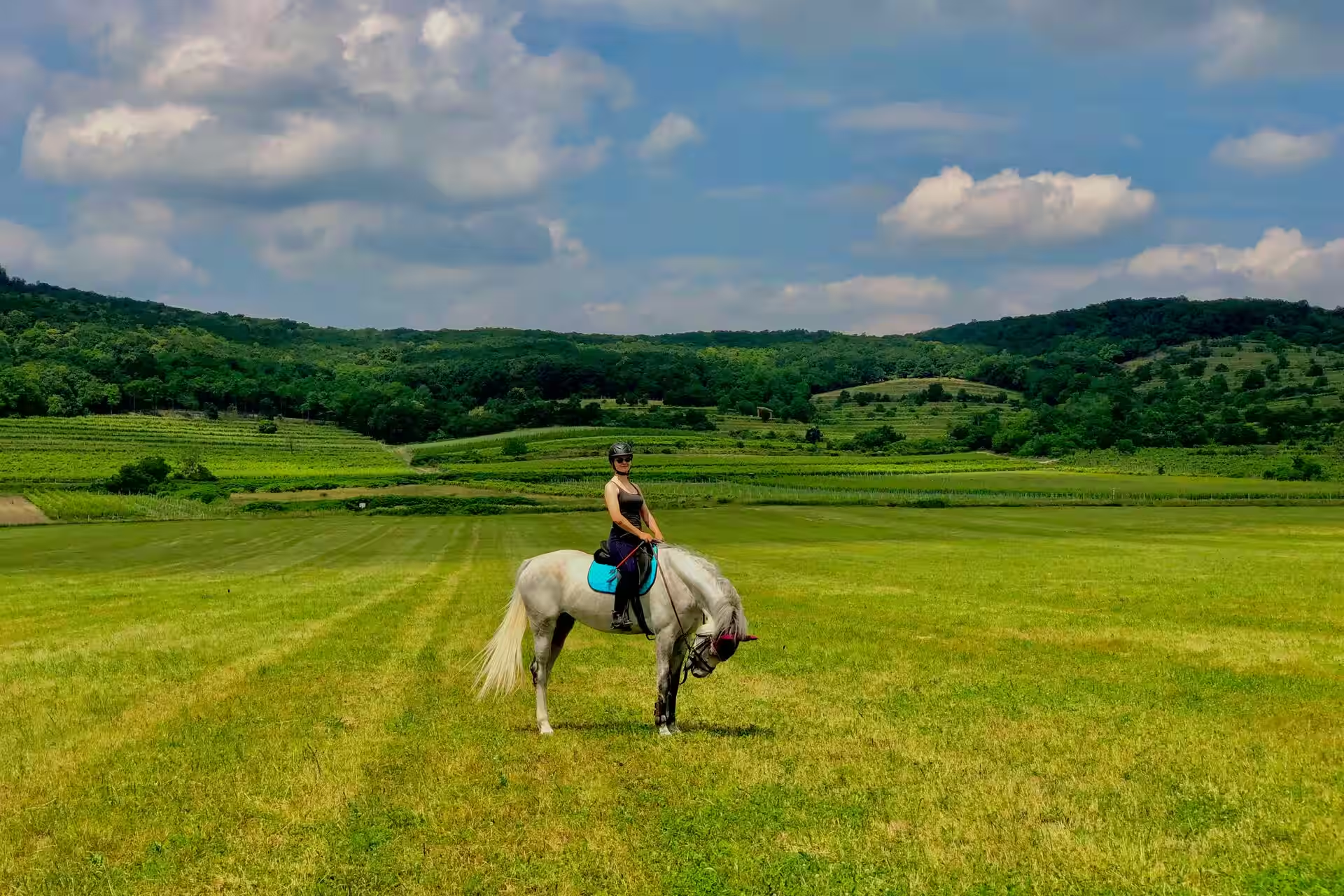
Horse riding is a timeless outdoor activity that connects humans with one of nature’s most majestic animals. With roots tracing back to ancient civilizations, it has grown into a versatile discipline—from peaceful countryside rides to high-adrenaline equestrian sports. The beauty of horse riding lies in its accessibility: beginners can enjoy gentle treks with guidance, while advanced riders can refine skills like trotting, galloping, or jumping. Key equipment includes a helmet, boots, saddle, and reins, ensuring both safety and comfort. Whether you prefer forest trails, open plains, or beach rides, horse riding offers unforgettable experiences across stunning landscapes.
Horse Riding Tours for You
What is Horse Riding?
Horse riding, or equestrianism, is the skill and sport of riding horses for leisure, sport, or work. It’s a unique blend of physical activity and emotional connection between rider and horse, offering both thrilling adventures and peaceful moments. Unlike many sports, horse riding involves teamwork with a living animal, making it both challenging and deeply rewarding. From leisurely trail rides to competitive jumping or dressage, it suits a wide range of interests and skill levels. It’s a beginner-friendly activity when guided by professionals and accessible to all ages, making it a lifelong passion for many.
A Brief History of Horse Riding
Horse riding, also known as equestrianism, traces its origins back over 5,000 years to the Central Asian steppes, where horses were first domesticated by nomadic tribes. Initially used for transport and warfare, horse riding quickly became a vital skill in many ancient civilizations. Over time, it evolved into a respected sport and form of recreation, gaining popularity across Europe, the Middle East, and beyond. The rise of formal competitions, such as show jumping and dressage, especially through events like the Olympics and organizations like the FEI (Fédération Équestre Internationale), helped shape modern equestrianism. Today, horse riding blends tradition, athleticism, and adventure, enjoyed worldwide for both leisure and sport.
Best Places for Horse Riding
Techniques & Skills in horse riding
Horse riding is a skillful blend of balance, coordination, and communication with your horse. Beginners start by learning step-by-step basics like proper posture, rein control, and mounting techniques—along with common mistakes to avoid, such as pulling too hard on the reins or losing balance. As riders progress, they explore advanced techniques like jumping, cantering, and trail navigation to boost performance and control. Safety is essential at every level—knowing how to read a horse’s body language, wearing the right protective gear, and understanding fall techniques are all key. Riders are encouraged to follow certified training programs and risk management protocols to ride confidently and safely.
Why Hire a Guide or Instructor for Horse Riding?
Hiring a professional guide or instructor for horse riding isn’t just for beginners—it’s one of the smartest choices riders of all levels can make. First and foremost, safety is a top priority. A certified instructor helps you understand how to ride responsibly, respond to a horse’s behavior, and manage unpredictable situations with calm and control. For those new to the sport, having a professional ensures that you build skills step by step, with proper posture, rein control, and balance techniques that prevent bad habits from forming. As you improve, an instructor tailors lessons to push your abilities while keeping you challenged and engaged. Professionals also bring valuable local knowledge, introducing you to scenic trails, stables, and riding spots you may not find on your own—including exclusive locations that are only accessible through licensed guides.
Essential Gear & Equipment for Horse Riding
Getting started with horse riding requires a few essential items to ensure safety and comfort. Beginners should invest in a well-fitting helmet, sturdy riding boots with a heel, and comfortable, non-slip riding pants. A basic saddle, bridle, and grooming kit are also necessary if you’re caring for your own horse. While budget-friendly gear is great for newcomers, premium options offer better durability and comfort, especially for frequent riders. Advanced riders may opt for high-performance saddles, ergonomic stirrups, and smart tech like GPS or heart rate monitors for training. Brands like Troxel, Ariat, and Wintec are popular among professionals. Regular maintenance—cleaning tack, checking for wear, and proper storage—is key to extending the life of your equipment and ensuring safe rides.
Read more from Crion Stories about Horse Riding
Browse all activities
Ready to explore? Choose an activity and book your next outdoor adventure with local experts!
Explore Activities