Hiking – Techniques, History, Gear & Where to Practice
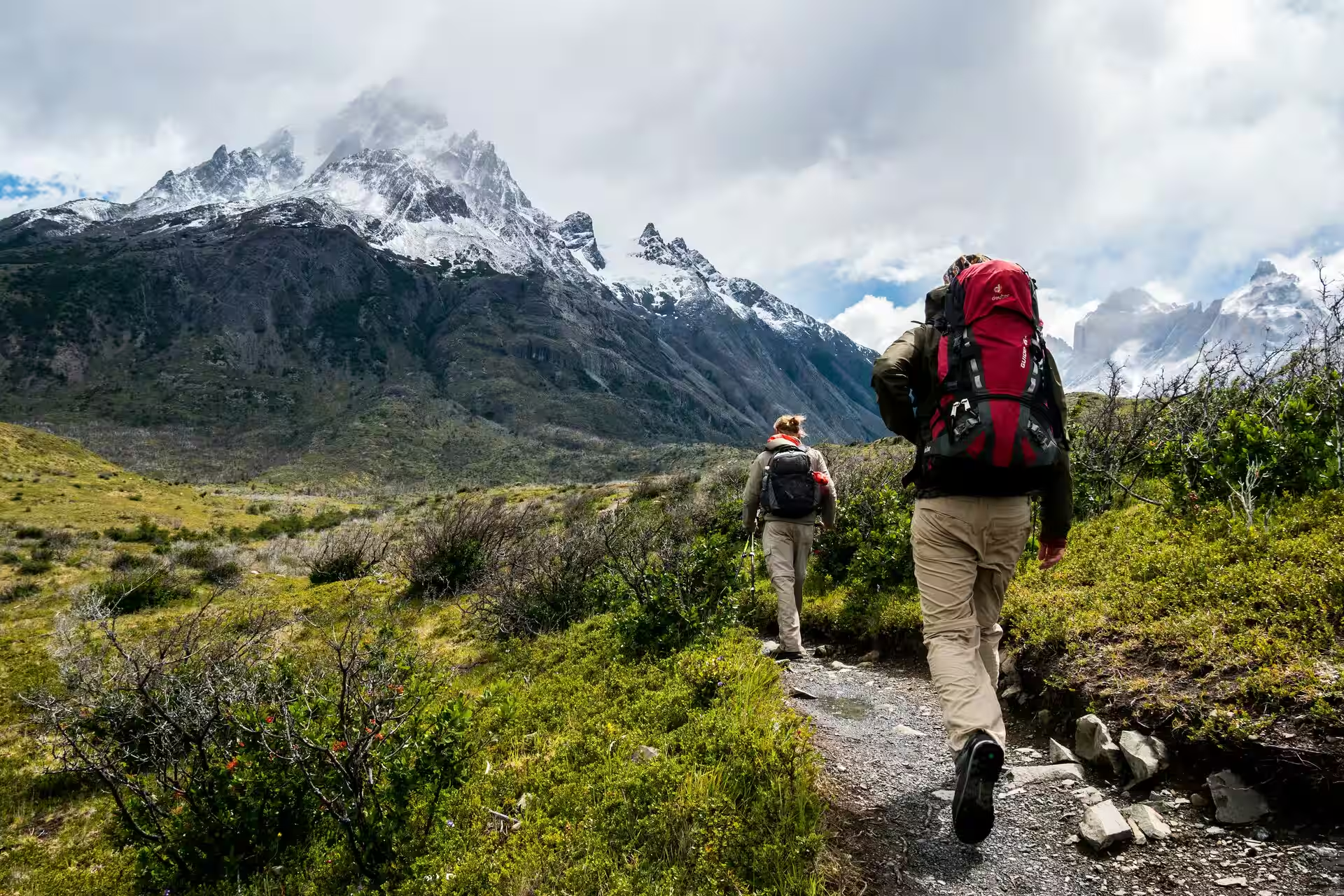
There’s something timeless about hiking—just you, the trail, and the rhythm of your footsteps surrounded by wild, open air. In Switzerland, a gentle morning walk through blooming alpine meadows can quickly turn into an epic ridge-top trek with glacier views. Whether you're setting off for an hour or for several days, hiking gives you the freedom to slow down, disconnect, and move at your own pace. You don’t need fancy gear or elite fitness to begin—just a good pair of shoes, a sense of curiosity, and the willingness to follow the path ahead. From lakeside trails to high-mountain passes, hiking is a doorway to both the landscape and yourself.
Hiking Tours for You
What is Hiking?
Hiking is one of the simplest yet most fulfilling ways to explore the outdoors. It’s the act of walking in nature—but more than that, it’s a way to reconnect with the land, with yourself, and sometimes with the people you share the trail with. Unlike sports that require training or equipment, hiking is incredibly approachable: choose a trail, wear comfortable shoes, and go. What makes hiking different from trekking or mountaineering is its flexibility. You can take a peaceful afternoon stroll through rolling vineyards, or spend days crossing alpine passes on a challenging multi-day route. It’s a sport that welcomes beginners, rewards consistency, and opens new doors the more you practice it. Whether you’re in it for the views, the solitude, or the physical challenge, there’s a trail for you.
A Brief History of Hiking
Walking through the wilderness may be one of the oldest human activities, but hiking as we know it today—done for pleasure and exploration—really took root in the 18th and 19th centuries. Inspired by the Romantic movement, early adventurers in Europe began to seek beauty and inspiration in nature. Guidebooks like Thomas West’s *Guide to the Lakes* encouraged people to travel on foot and appreciate landscapes with a new lens. In the 19th century, the Alps became a magnet for nature lovers, scientists, and writers. Switzerland played a major role in the rise of recreational hiking, with its early mountain huts and trail systems setting the standard. Across the Atlantic, John Muir was preaching the gospel of wilderness in the American West, laying the groundwork for national parks and the broader conservation movement. Today, hiking is a global activity—accessible to millions, from casual walkers to hardcore peak-baggers. With trails in every environment imaginable, it has become one of the most beloved and universal outdoor pursuits.
Best Places for Hiking Adventures
Techniques & Skills in Hiking
At first glance, hiking seems easy—you just walk. But knowing how to hike well makes a huge difference in how far you go, how much you enjoy it, and how safe you stay. Beginners should start with manageable distances on marked trails, using steady pacing, mindful breathing, and proper posture. Choose comfortable footwear with good grip, and keep your backpack light but well-stocked. As you gain experience, hiking becomes about reading terrain, adapting to conditions, and making smart decisions. Knowing how to use a map, navigate with GPS, or deal with sudden weather changes becomes essential on more remote or alpine routes. Trekking poles can ease pressure on joints, and layering your clothing keeps you comfortable across changing temperatures. And no matter your skill level, the basics of risk awareness—checking the forecast, telling someone your plan, carrying a headlamp and first-aid kit—are always worth following.
Why Hire a Guide or Instructor for Hiking?
Hiking with a guide can turn a great day outdoors into an unforgettable adventure. Local guides don’t just show you the way—they share insights, stories, and hidden spots you’d likely miss on your own. For first-time hikers, a guide can ease the stress of planning and teach you how to pace yourself, dress for the trail, or use gear efficiently. On tougher terrain, especially in high mountains or remote valleys, a guide adds an important layer of safety. They’re trained to respond to emergencies, read changing weather, and navigate complex routes. Certified professionals bring both technical skill and deep local knowledge. Whether you're aiming for a glacier crossing, a remote hut-to-hut trek, or simply want a more immersive experience, a guide can make the journey safer, smoother, and more enriching.
Essential Gear & Equipment for Hiking
You don’t need much to start hiking, but having the right basics can make the difference between a good day and a frustrating one. Start with sturdy, comfortable footwear suited to the trail—trail runners for dry conditions, or waterproof boots for uneven or wet terrain. Dress in layers: a breathable base layer, insulating mid-layer, and a waterproof shell for wind or rain. Add a well-fitted backpack to carry water, snacks, sun protection, and a simple first-aid kit. For longer hikes or advanced routes, gear like trekking poles, GPS devices, and lightweight camping equipment can be invaluable. Ultralight backpacks, water filtration systems, and performance clothing help reduce fatigue and keep you comfortable over multiple days. Quality brands like Salomon, Osprey, Patagonia, and La Sportiva are trusted by experienced hikers. And don’t forget care—clean your boots, re-proof your rain gear, and always air out equipment after your adventures to keep it trail-ready.
Read more from Crion Stories about Hiking
Browse all activities
Ready to explore? Choose an activity and book your next outdoor adventure with local experts!
Explore Activities