Canyoning – Techniques, History, Gear & Where to Practice
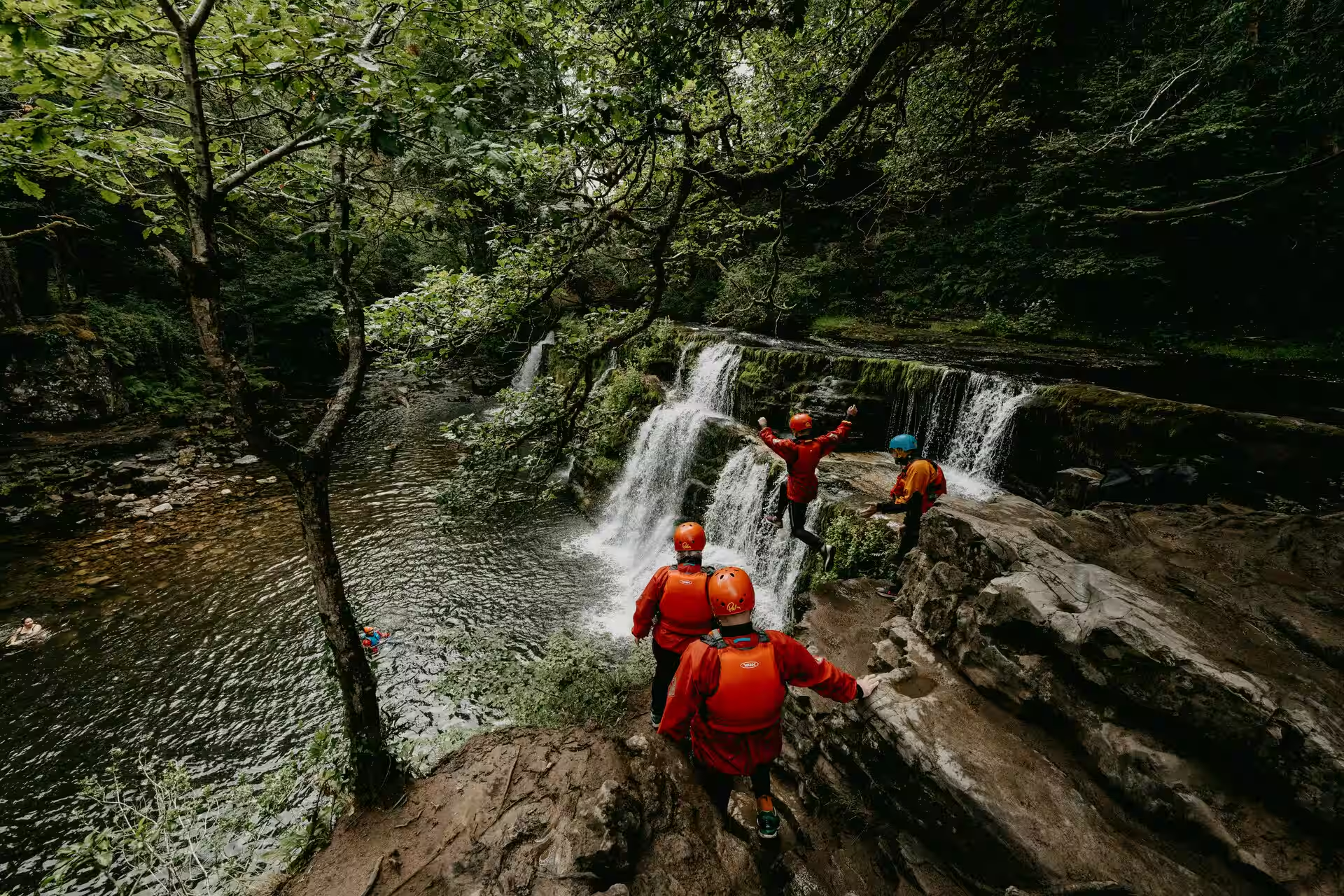
Canyoning, or canyoneering, is the ultimate outdoor adventure that blends elements of hiking, climbing, rappelling, and swimming—often in breathtaking, water-carved canyons. Whether you're navigating narrow gorges, descending waterfalls, or leaping into crystal-clear pools, canyoning offers adrenaline and serenity in equal measure. This guide dives deep into everything you need to know: from the sport's origins and essential techniques, to gear recommendations and the best global destinations to try it. Whether you're a first-timer or a seasoned explorer, you'll find tips and insights to elevate your next canyoning experience.
Canyoning Tours for You
What is Canyoning?
Canyoning, also known as canyoneering, is an exhilarating outdoor activity that involves navigating through canyons using a combination of hiking, climbing, swimming, rappelling, and sometimes even sliding down waterfalls. This unique sport blends adventure and nature in an extraordinary way, allowing participants to explore remote, water-sculpted landscapes that are otherwise inaccessible. Unlike hiking or climbing alone, canyoning is multidisciplinary and requires mastering diverse skills. It is suitable for both beginners and thrill-seekers alike, with routes and levels of difficulty tailored to all levels of experience. Whether you're looking to dip your toes into a short canyon walk or dive into full-day technical descents, canyoning offers a rewarding physical and mental challenge surrounded by raw natural beauty.
A Brief History of Canyoning
The roots of canyoning trace back to the early 20th century in Europe, particularly France and Spain, where mountaineers and cavers began exploring narrow river gorges and water-filled ravines. These early adventurers were more focused on exploration than recreation. It wasn't until the 1980s and 1990s that canyoning began evolving into a popular adventure sport, especially in the Pyrenees and Alps. With the emergence of specialized equipment and trained guides, canyoning gained traction worldwide. Today, countries like Switzerland, Italy, New Zealand, and Costa Rica are known hotspots for canyoning tours and expeditions, with professional associations and certifications bringing safety, structure, and international appeal to the sport.
Best Places for Canyoning
Techniques & Skills in Canyoning
Canyoning requires mastering a variety of physical skills and safety protocols. Beginners should start with basic techniques like proper hiking on wet terrain, safe entry into water pools, and simple rappelling. Mistakes like overreaching, poor foot placement, or misjudging water depth are common but easily corrected with proper guidance. Intermediate and advanced practitioners learn rope work, anchor setting, technical jumps, and swiftwater navigation. Pro tips include conserving energy through efficient movement and understanding how to read the terrain. Safety is paramount: participants must learn to evaluate risks such as flash floods, cold water exposure, and slippery surfaces. Recommended protocols include helmet use, buddy systems, and first-aid readiness.
Why Hire a Guide or Instructor for Canyoning?
Hiring a professional guide for canyoning is not just a safety measure; it's a gateway to a richer experience. Certified instructors are trained in swiftwater rescue, rope techniques, and emergency response, ensuring your trip is both safe and enjoyable. Guides help with skill progression, offering personalized tips that can dramatically boost your confidence. They also bring invaluable local knowledge, leading you to hidden spots off the tourist trail. With a guide, logistics like permits, weather tracking, and gear selection become hassle-free. Professionals often have access to exclusive routes and are equipped with high-quality gear that enhances your overall adventure.
Essential Gear & Equipment for Canyoning
The right gear is crucial for a safe and enjoyable canyoning experience. Beginners need a high-quality wetsuit, helmet, harness, canyoning shoes with strong grip, and a dry bag. Entry-level options are available at reasonable prices, though renting is a great choice for first-timers. As you progress, you might invest in specialized gear like descenders, ropes, neoprene gloves, and waterproof backpacks. Advances in gear technology now offer lighter and more durable options that improve both safety and comfort. Brands like Petzl, Salewa, and Cressi are popular among professionals. Gear maintenance includes drying equipment thoroughly, checking for wear, and storing items properly to extend their lifespan.
Read more from Crion Stories about Canyoning
Browse all activities
Ready to explore? Choose an activity and book your next outdoor adventure with local experts!
Explore Activities