Bouldering – Techniques, History, Gear & Where to Practice
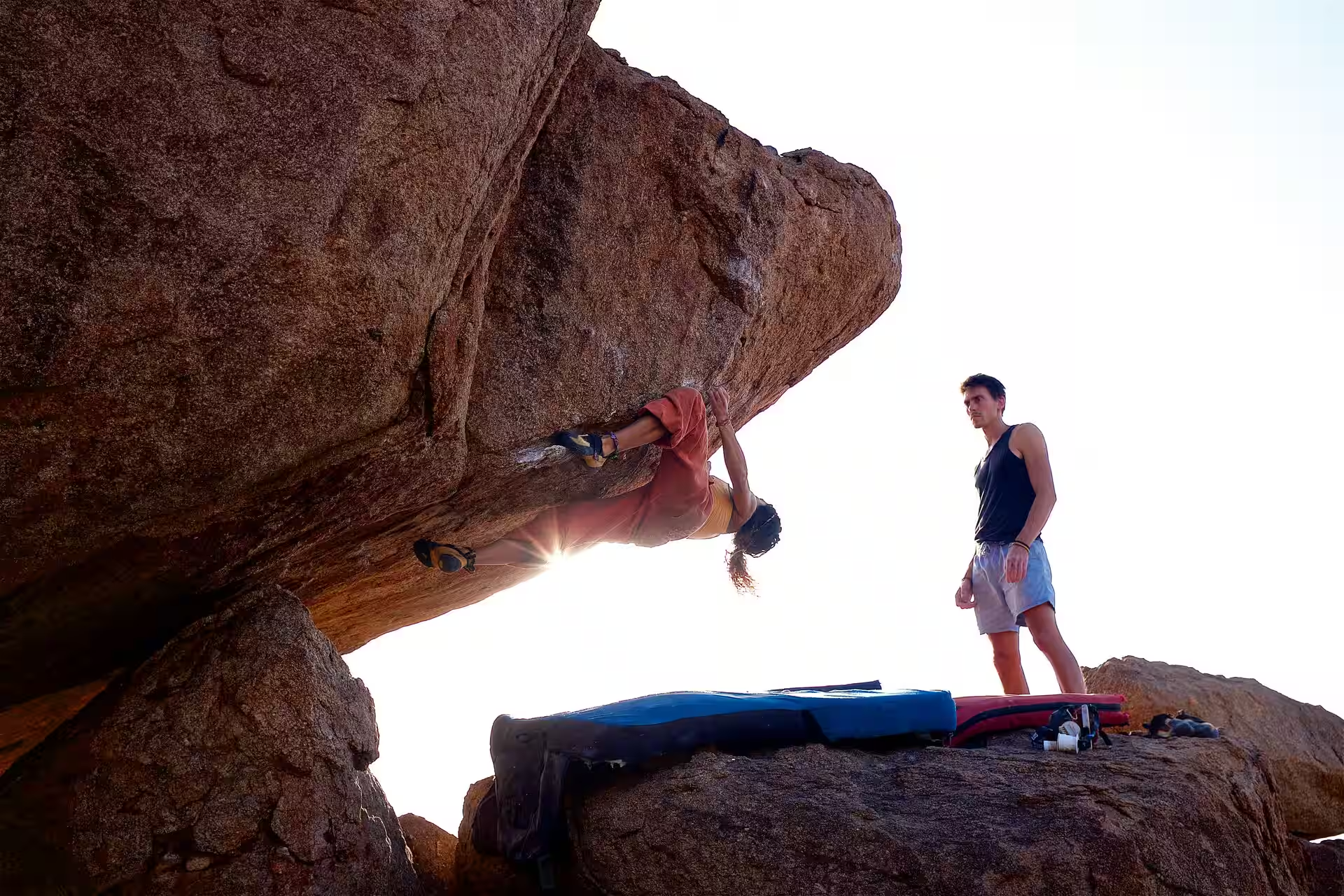
Bouldering is a thrilling, rope-free form of climbing done on short walls or natural rock, focusing on power, technique, and problem-solving. Originating in Fontainebleau, France, in the 19th century, it evolved from mountaineering training into a standalone sport. Today, it's featured in global competitions and practiced in both indoor gyms and outdoor spots worldwide. Top destinations include Fontainebleau (France), Rocklands (South Africa), and Ticino (Switzerland). Beginners start with basic techniques like footwork and balance, using crash pads for safety. Advanced climbers master dynamic moves and overhangs. Essential gear includes climbing shoes, chalk, and crash pads. Minimal equipment, easy access, and strong community vibes make bouldering perfect for all levels—from curious beginners to seasoned climbers seeking their next challenge.
Bouldering Tours for You
What is Bouldering?
Bouldering is a style of climbing that involves short, powerful sequences performed on natural rock formations or indoor climbing walls, without the use of ropes or harnesses. Climbers ascend to modest heights, typically up to 6 meters (around 20 feet), relying on crash pads for safety. This minimalist form of climbing emphasizes problem-solving, body control, and strength over endurance. Unlike sport climbing or traditional climbing, bouldering is highly accessible to beginners while still offering endless challenges for experienced climbers. The beauty of bouldering lies in its simplicity, low barrier to entry, and the social and collaborative nature of the sport. Whether indoors or in world-famous outdoor bouldering destinations, it’s a pursuit that welcomes solo adventurers and groups alike.
A Brief History of Bouldering
The roots of bouldering trace back to the late 1800s in Fontainebleau, France, where climbers like Pierre Allain used it as training for alpine ascents. Over time, bouldering evolved from a practice tool into its own independent discipline. In the 20th century, American climbers in places like Yosemite and Hueco Tanks pushed the boundaries, establishing the first graded problems and developing the V-scale (Hueco Scale) for difficulty. The 1990s and 2000s saw an explosion in popularity, aided by the growth of indoor climbing gyms. Bouldering became more accessible, and it was eventually included in the Olympics as part of the climbing event. Today, it's a standalone sport with dedicated competitions, global communities, and an ever-growing list of impressive ascents.
Best Places for Bouldering
Techniques & Skills in Bouldering
Starting with bouldering is about building movement awareness, grip strength, and mental focus. Beginners begin by learning basic techniques such as smearing, edging, flagging, and mantling. It’s crucial to understand body positioning, how to read routes ("problems"), and how to fall correctly. As climbers progress, they develop more dynamic movement, heel hooks, toe hooks, and complex sequences. Advanced practitioners refine footwork, conserve energy efficiently, and master risk assessment. Safety is key at every level: never skip warming up, inspect landing zones, and climb with spotters when outdoors. Proper progression, regular practice, and occasional coaching can drastically improve performance while preventing injuries.
Why Hire a Guide or Instructor for Bouldering?
Hiring a professional guide or instructor for bouldering can elevate your experience, especially outdoors. Guides ensure safety, teach correct falling techniques, and introduce climbers to top spots suited to their level. They help accelerate skill development by identifying strengths, correcting bad habits, and tailoring sessions to personal goals. Local guides offer deep knowledge of rock conditions, access restrictions, and hidden gems that you might miss on your own. Some bouldering areas involve tricky approaches or environmental sensitivities – having a certified guide ensures respectful, informed practice. Whether you’re a first-timer or aiming to tackle V7+, a qualified instructor can boost your confidence and optimize your learning.
Essential Gear & Equipment for Bouldering
Bouldering gear is compact but critical. For beginners, the essentials include climbing shoes (with snug fit and good grip), chalk and a chalk bag, and at least one crash pad to cushion falls. Budget-friendly options exist, but investing in quality gear can enhance performance and comfort. Advanced climbers often carry multiple pads, brush sets for cleaning holds, skin care products, and tape for injury prevention. Recent innovations include lightweight pads, ergonomic shoe designs, and breathable chalks. Recommended brands include La Sportiva, Five Ten, Black Diamond, and Organic Climbing. Regular gear maintenance – like brushing holds, drying shoes, and inspecting pad foam – ensures safety and longevity.
Read more from Crion Stories about Bouldering
Browse all activities
Ready to explore? Choose an activity and book your next outdoor adventure with local experts!
Explore Activities